

From Hype to Evaluation: Deciding When AI Augments or Replaces Us
I watch the headlines cycle through the same arguments. One side warns that machines will take over every role. The other side promises a golden age where technology lifts us all up. I have sat in meetings where these two visions clash. I have seen teams freeze in fear as leaders push forward without a plan. The truth is rarely this loud. The reality is quieter and it lives in the daily workflows. It lives in the training sessions and the quiet moments when a worker looks at a new screen and wonders if they still matter.
The debate usually splits into two camps. Enthusiasts paint a bright future while pessimists sketch a dystopian one. Both sides use the same two words, augmentation and replacement. They treat these words like fixed moral categories. They do not work that way because the research shows the lines are blurry. The outcomes depend on the context. The same tool that acts as a safety net in one department is a bottleneck in another. The technology does not decide the impact. The design, workflow and the training does.
The Blurry Line Between Help and Handover

I used to think augmentation meant pure help and replacement meant pure loss. But the literature tells a different story. Replacement can actually improve outcomes for the people using the tools. Augmentation can sometimes strip away control or create new pressures. The labels do not carry fixed weight. They shift depending on the task. They shift depending on who holds the power and on who actually benefits.
Most existing definitions miss a crucial question. They never ask who gains from the change. I have seen systems that promise to enhance human faculties but end up micromanaging the work. I have seen automation that removes a tedious burden but leaves the worker with no clear path to grow. The outcome is not written into the code. It is written into the policy and into the culture. When we stop treating these terms as absolute good or absolute bad, we can start looking at the actual mechanics. Only then can we start asking how a tool changes the daily rhythm of a job. We can start measuring what actually happens on the floor.
The Social Contract and the Fear of Being Left Behind
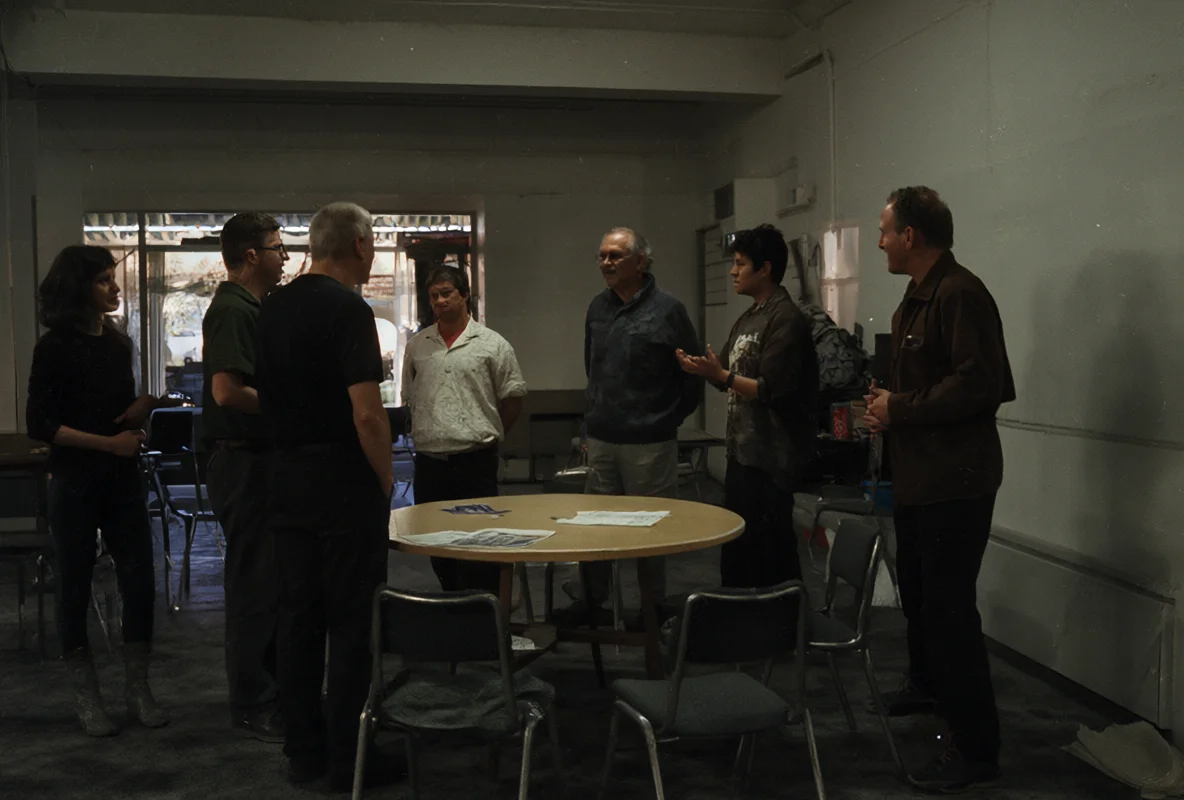
We cannot ignore the human side of this shift. The tech industry does not operate in a vacuum. It runs on social permission. That phrase means the public has to consent to how these tools are deployed. If we push automation without a plan for the people affected, we break that trust. Leaders in global forums now agree on this simple point. The whole experiment falls apart if it displaces workers instead of empowering them.
I talk to people who worry about their roles. Their fear is not about the algorithms, it’s about being left behind. They want tools that make their days safer and they want systems that reduce the grind. They want a clear path forward. If we just swap humans for machines without offering a way to adapt, we will face serious pushback. The stakes are high. Economic stability depends on keeping people in the loop. Social cohesion depends on it too.
The Davos discussions highlight a clear direction. Professionals need to shift their focus toward augmentation. They need to prioritize education and invest in reskilling. They need to engage stakeholders early. They need to watch regulations that aim to prevent labor displacement. I see this as a practical roadmap. It moves us past the panic. It gives us concrete steps. It reminds us that technology is not a substitute for human capital. It is a multiplier that only works when people have the skills to steer it.
How Forward Looking Teams Actually Build

So how do leading organizations handle this transition? They do not treat AI as a cost cutting lever. They treat it as a capability multiplier. The strategy is straightforward. Amplify the people, don’t not cut them out. Companies that make AI fluency a basic expectation do not wait for fear to take root. Instead they build training into the daily routine.
These teams use a simple framework to guide their rollout. They start by asking what manual repetitive tasks can be removed. They use the tools to handle report generation and data entry, which relieves the tactical grind. Next, they look at decision making using predictive analytics to refine choices and they use scenario modeling to test ideas. This sharpens the work. Then they step back and look at the bigger picture. They ask how the tool changes the purpose of the role. They shift workers from operators to advisors. Finally, they look for new capabilities. They enable real time personalization. They unlock multilingual translation. This reinvents the job.
This approach protects institutional knowledge. It keeps innovation flowing. It reduces the risk of running into compliance trouble. When workers feel equipped, they adapt, but when they feel threatened, they resist. The difference is not the software. The difference is the culture. Teams that embrace this model see their performance jump while retaining skilled employees. They build agile resilience. They stop fighting the technology and start steering it.
A Practical Way to Measure the Impact

We need a better way to talk about this shift and a way to cut through the noise. Researchers have proposed a framework called fRAme. It moves us past the hype. It asks four specific questions. First, it looks at the context. Second, it examines what the technology can actually do. Third, it assesses what the human stakeholder can do. Fourth, it breaks down the specific task.
This structure forces clarity. It stops us from making blanket claims. It helps us see where a tool truly adds value and helps us spot where a tool might undermine autonomy. I find this approach useful because it turns a vague debate into a practical checklist. Managers, regulators and workers can use it. It does not promise a perfect future but it promises a measured one. It helps us to look at the evidence and weigh the tradeoffs and to decide what kind of workplace we actually want.
I have used similar checklists in my own work. I sit down with a team and we map out the task. We list the human skills involved, the tool capabilities and the environment. The results are usually clear. Sometimes the tool fits perfectly. Sometimes it creates friction. Sometimes it requires a complete redesign of the workflow. The framework does not give us a magic answer, but it gives us a shared language. That keeps the conversation grounded and focused on the people doing the work.
Moving Past the Binary
The headlines will keep cycling. The fear will keep rising. The promises will keep stacking up. Perhaps we will ever settle on a single definition for augmentation or replacement. The terms will keep evolving just as the technology keeps evolving. Our job is to stay grounded, and to look at the details. We have to protect the social contract. We have to invest in learning and measure the real impact.
The choice is not binary. It is a series of daily decisions. I believe we can build systems that respect human skill. I believe we can design workflows that keep people in control. The framework is already there and the path is clear. We just have to walk it. We have to listen to the workers, test the tools and adjust the course. The future of work is not written in code. It is written in policy. It is written in training. It is written in the quiet moments when a team decides to build together instead of building over each other. I have seen it work. I know it can work again. We just need to stop debating the labels and start measuring the reality.